Behind the Brand · 7 min read
Inside the Kyoto kiln
Two days with the studio that throws our stoneware, and the ash glaze that no two pieces share.
Tomás Bregha · October 30, 2025
The studio is a converted rice barn forty minutes south of Kyoto. There is one kiln, one wheel and a wall of test tiles going back nineteen years — every one of them a record of a glaze that behaved unexpectedly.
The wheel
A kick wheel turns slower than an electric one and stops when the potter stops. It is the reason our vase walls thicken slightly toward the base — a hand correction, repeated a hundred times a week, that a machine would never make.
The glaze
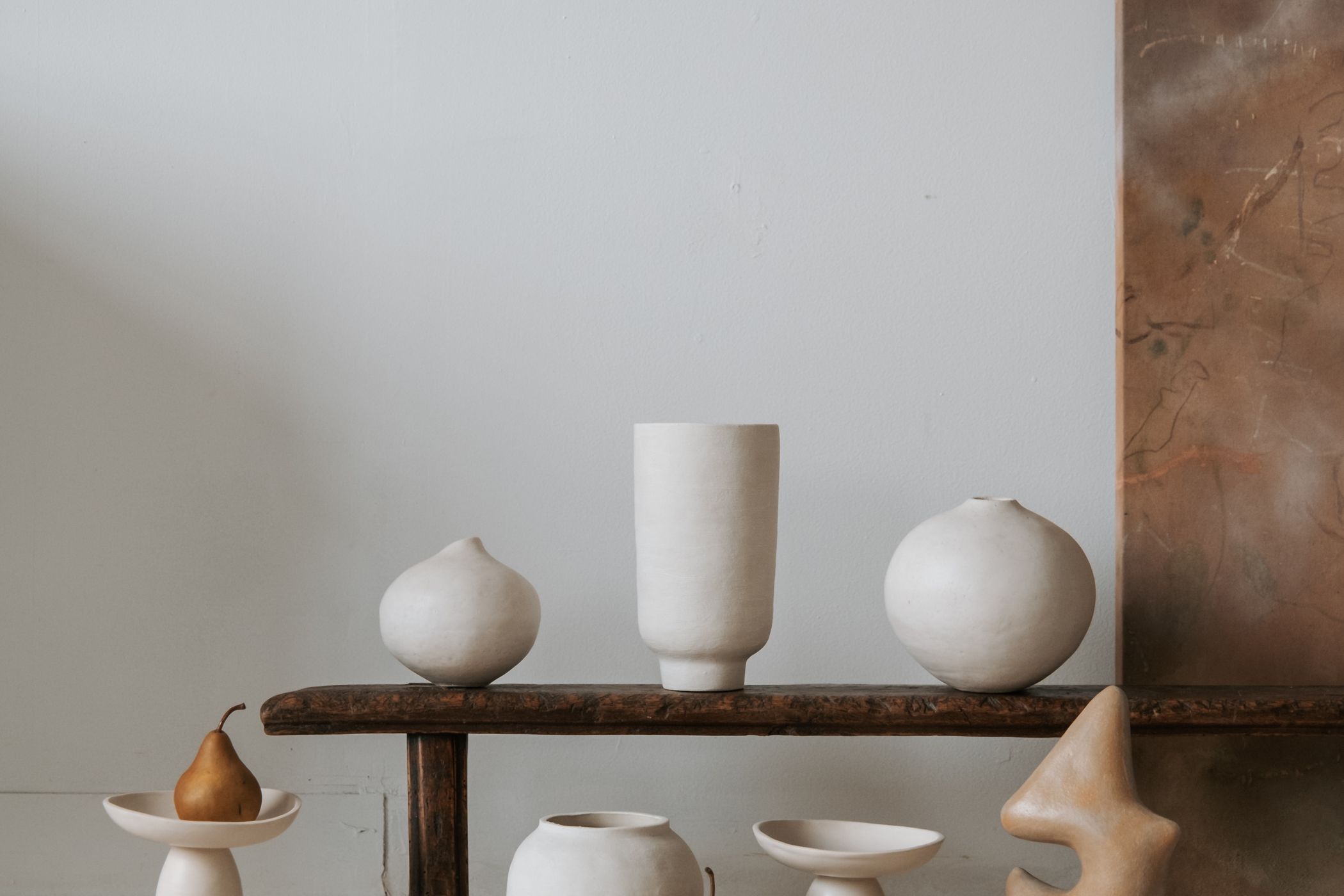
Ash from the kiln's own firebox is sieved, mixed with feldspar and water and applied by dipping. Where the glaze pools it goes green; where it thins it goes bone. The pattern depends on where a piece stood in the kiln.
You cannot order a specific surface. You can only order the process that produces good surfaces.
Why variation is a specification
We photograph a representative piece, not a hero piece, and we say so on the product page. A client who expects an identical object is a client we have failed to inform.